
We are excited to announce the publication of a landmark paper in Nature Medicine highlighting a major advance in targeted immunotherapy for fibrolamellar carcinoma (FLC). The article, A Therapeutic Peptide Vaccine for Fibrolamellar Hepatocellular Carcinoma: A Phase 1 Trial, describes a collaborative effort by researchers at the Johns Hopkins University School of Medicine (Baltimore, MD) and St. Jude Children’s Research Hospital (Memphis, TN) to test a novel vaccine treatment for FLC.
About the Study
Patients received a vaccine created to train the immune system to recognize and attack cells carrying the abnormal fusion protein that causes FLC. Because nearly all FLC tumors share this same fusion protein, researchers created an “off-the-shelf” vaccine using a small, lab-made peptide representing the junction of the fused proteins. The vaccine was administered alongside two immune checkpoint inhibitors (ICIs) already approved for use in other cancers. Dr. Marina Baretti, one of the study’s lead authors, explains:
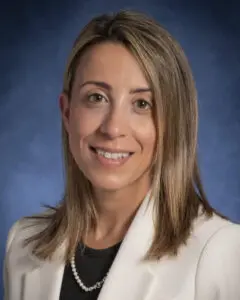
“ For patients facing fibrolamellar carcinoma, this study offers real hope. By targeting the common fusion that drives FLC, this vaccine showed that the immune system can be trained to recognize and attack these tumors, leading to long periods of disease control and, for some patients, complete disappearance of active cancer. These findings lay the groundwork for future therapies, including adoptive T-cell treatments, that could fundamentally change the outlook for this disease. We are deeply grateful to the Fibrolamellar Cancer Foundation for their unwavering support of our patients and our research efforts.”
Background
In 2019, Dr. Mark Yarchoan (Johns Hopkins) proposed a bold approach: an immune therapy targeting the abnormal protein (“DP”) that drives nearly all FLC cases. His idea was to create a single consistent vaccine designed for any patient with this fusion protein.
The Fibrolamellar Cancer Foundation (FCF) partnered with Dr. Yarchoan to accelerate development of the idea. Within a year, the protocol was finalized, the vaccine manufactured, and regulatory approvals secured. The clinical trial launched in April 2020, despite the onset of the COVID pandemic.
Key Findings
- Safety: The vaccine appears safe.
- Immune Response: 75% of patients mounted the desired immune response; all of these responders achieved some disease control (at least several months without tumor growth).
- Remarkable Outcomes: One-third of responders (3 patients) experienced dramatic, long-lasting tumor shrinkage—and remain cancer-free 3–5 years after treatment. Additional patients, treated in the extension of the original trial have shown similar successes.
- These findings echo an earlier report from Dr. Juliane Walz’s team (University of Tübingen), where an analogous vaccine prevented disease recurrence in a treated patient for over 5 years.
Why It Matters
This is the first time multiple cases of near-complete, durable responses have been reported in advanced FLC. It’s a powerful proof-of-concept for cancer vaccines targeting a tumor’s root genetic driver—potentially paving the way for similar strategies in other pediatric and AYA cancers.
What’s Next
- Ongoing Clinical Trials: Enrollment of patients with advanced disease continues at Johns Hopkins University and University Hospital Tübingen to further evaluate vaccine effectiveness.
- New Drug Combinations: Johns Hopkins is also investigating if addressing factors in the tumor environment that lead to the “exhaustion” of immune cells can boost immune response.
- Recurrence Prevention: The Tübingen team is evaluating use of these vaccines in a clinical trial to prevent recurrence after successful surgery removes all visible disease.
- Adoptive Cell Therapy: Johns Hopkins and St. Jude researchers are identifying the most effective immune cell receptors from from patients who responded well to the vaccine. Their goal: use those receptors to engineer “killer cells” for other patients. Such an “adoptive cell therapy” approach could potentially make immune treatment effective for many more patients.
The Fibrolamellar Cancer Foundation remains committed to funding and supporting these efforts. This breakthrough—and the ongoing work to build on it—represent real hope for young patients battling FLC and set the stage for truly transformative treatments.
Click here for more information or to read the full publication.